Raiding the inarticulate since 2010

accelerated academy acceleration agency AI Algorithmic Authoritarianism and Digital Repression archer Archive Archiving artificial intelligence automation Becoming Who We Are Between Post-Capitalism and Techno-Fascism big data blogging capitalism ChatGPT claude Cognitive Triage: Practice, Culture and Strategies Communicative Escalation and Cultural Abundance: How Do We Cope? Corporate Culture, Elites and Their Self-Understandings craft creativity critical realism data science Defensive Elites Digital Capitalism and Digital Social Science Digital Distraction, Personal Agency and The Reflexive Imperative Digital Elections, Party Politics and Diplomacy digital elites Digital Inequalities Digital Social Science Digital Sociology digital sociology Digital Universities elites Fragile Movements and Their Politics Cultures generative AI higher education Interested labour Lacan Listening LLMs margaret archer Organising personal morphogenesis Philosophy of Technology platform capitalism platforms Post-Democracy, Depoliticisation and Technocracy post-truth psychoanalysis public engagement public sociology publishing Reading realism reflexivity scholarship sexuality Shadow Mobilization, Astroturfing and Manipulation Social Media Social Media for Academics social media for academics social ontology social theory sociology technology The Content Ecosystem The Intensification of Work theory The Political Economy of Digital Capitalism The Technological History of Digital Capitalism Thinking trump twitter Uncategorized work writing zizek

An interview about generative AI in academic life

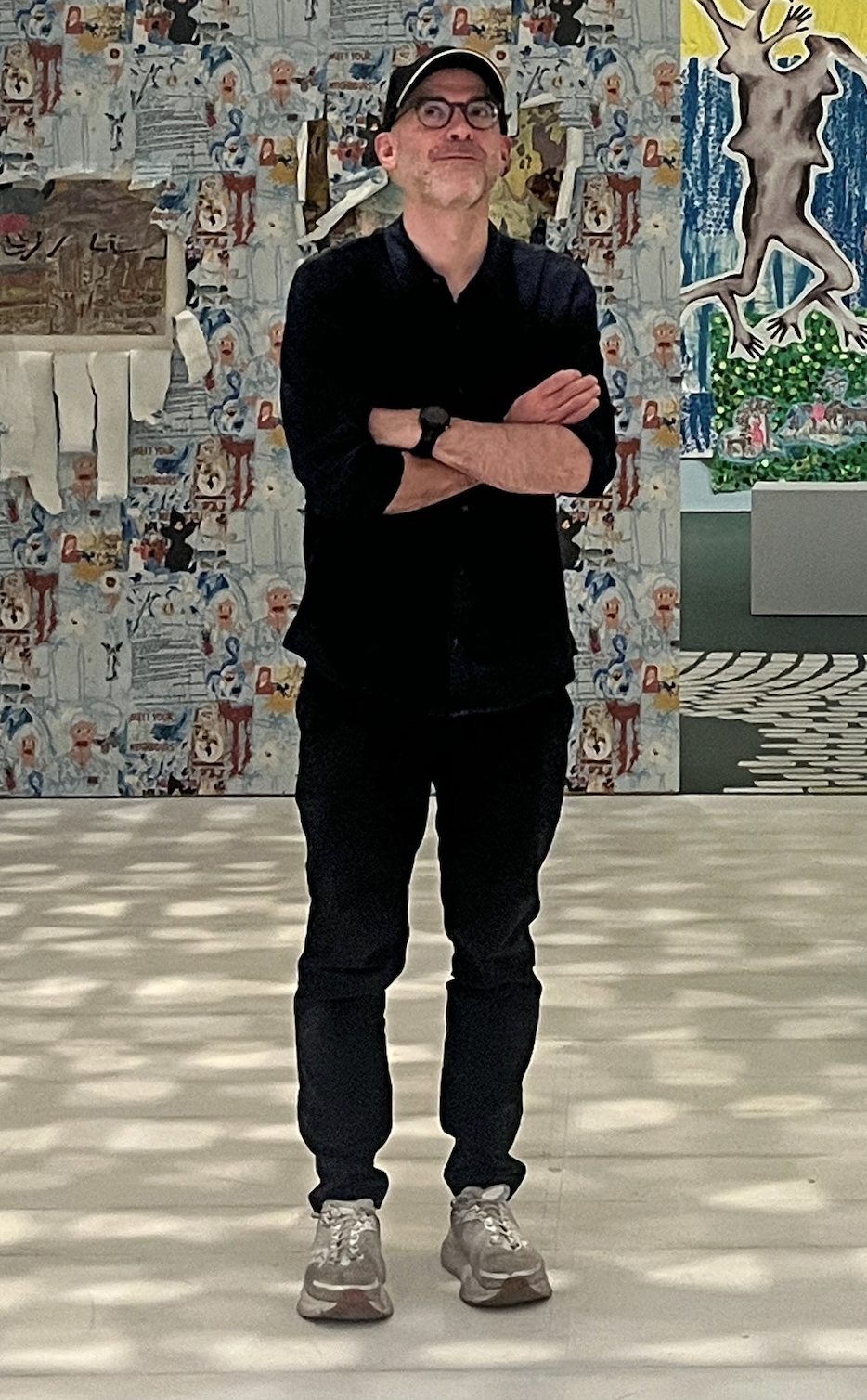
In this episode of the Open University Praxis Podcast, host Dr Olivia Kelly is joined by sociologist Dr Mark Carrigan, Senior Lecturer in Education at the University of Manchester and AI Fellow at the Institute for Teaching and Learning. Mark’s work has been central to understanding how digital platforms, from early social media to today’s large language models, are reshaping academic practice, identity, and community.

Together, Olivia and Mark explore the rapid rise of generative AI and its profound implications for higher education. Their conversation moves beyond the usual task‑based narratives to examine the deeper sociological issues including:

  • How AI is transforming the ‘invisible labour’ of teaching, marking and student support
  • What tensions emerge when academics use AI to cope with workload pressures while students are warned against it
  • How trust between students, staff and institutions is being reshaped by AI-mediated communication
  • Why discipline-based conversations matter for developing meaningful AL norms and policies.

Mark also reflects on the psychological impact of AI on academic work, the risks of accelerating already‑intense workloads, and the urgent need for collective, rather than individualised, responses to technological change. This is a rich, nuanced discussion for anyone interested in the future of scholarship, the ethics of AI in education, and the shifting landscape of academic life.