
Raiding the inarticulate since 2010

accelerated academy acceleration agency AI Algorithmic Authoritarianism and Digital Repression archer Archive Archiving artificial intelligence automation Becoming Who We Are Between Post-Capitalism and Techno-Fascism big data blogging capitalism ChatGPT claude Cognitive Triage: Practice, Culture and Strategies Communicative Escalation and Cultural Abundance: How Do We Cope? Corporate Culture, Elites and Their Self-Understandings craft creativity critical realism data science Defensive Elites Digital Capitalism and Digital Social Science Digital Distraction, Personal Agency and The Reflexive Imperative Digital Elections, Party Politics and Diplomacy digital elites Digital Inequalities Digital Social Science Digital Sociology digital sociology Digital Universities elites Fragile Movements and Their Politics Cultures generative AI higher education Interested labour Lacan Listening LLMs margaret archer Organising personal morphogenesis Philosophy of Technology platform capitalism platforms Post-Democracy, Depoliticisation and Technocracy post-truth psychoanalysis public engagement public sociology publishing Reading realism reflexivity scholarship sexuality Shadow Mobilization, Astroturfing and Manipulation Social Media Social Media for Academics social media for academics social ontology social theory sociology technology The Content Ecosystem The Intensification of Work theory The Political Economy of Digital Capitalism The Technological History of Digital Capitalism Thinking trump twitter Uncategorized work writing zizek

Webinar: is an environmentally sustainable digital education possible?

October 19th, 7pm GMT

Digital technology is often presented as a solution to social and educational problems. It is imagined that if we find the right technology and deploy it in effective ways then previously intractable challenges might soon become a thing of the past. But what if digital education is part of the problem? To the extent it rests upon a continued proliferation of digital devices, ever expanding use of digital data and the embedding of ‘always on’ hyperconnectivity there are serious issues to be raised about the sustainability of digital education. 

Far from providing a route towards a fairer future the field risks exacerbating climate breakdown. Is it possible to reorientate digital education towards a more sustainable future or are these problems inherent in the digitalisation of education itself? Should we be trying to develop more sustainable forms of individual practice or are these distractions from political questions which need to be addressed collectively? In the first DTCE Digital Dialogue we are joined by Susan Brown, Jana Bacevic and Neil Selwyn to explore whether a more sustainable digital education is possible and how we might work towards it.

This event is cancelled. I’ll post rescheduled information here once it is confirmed.


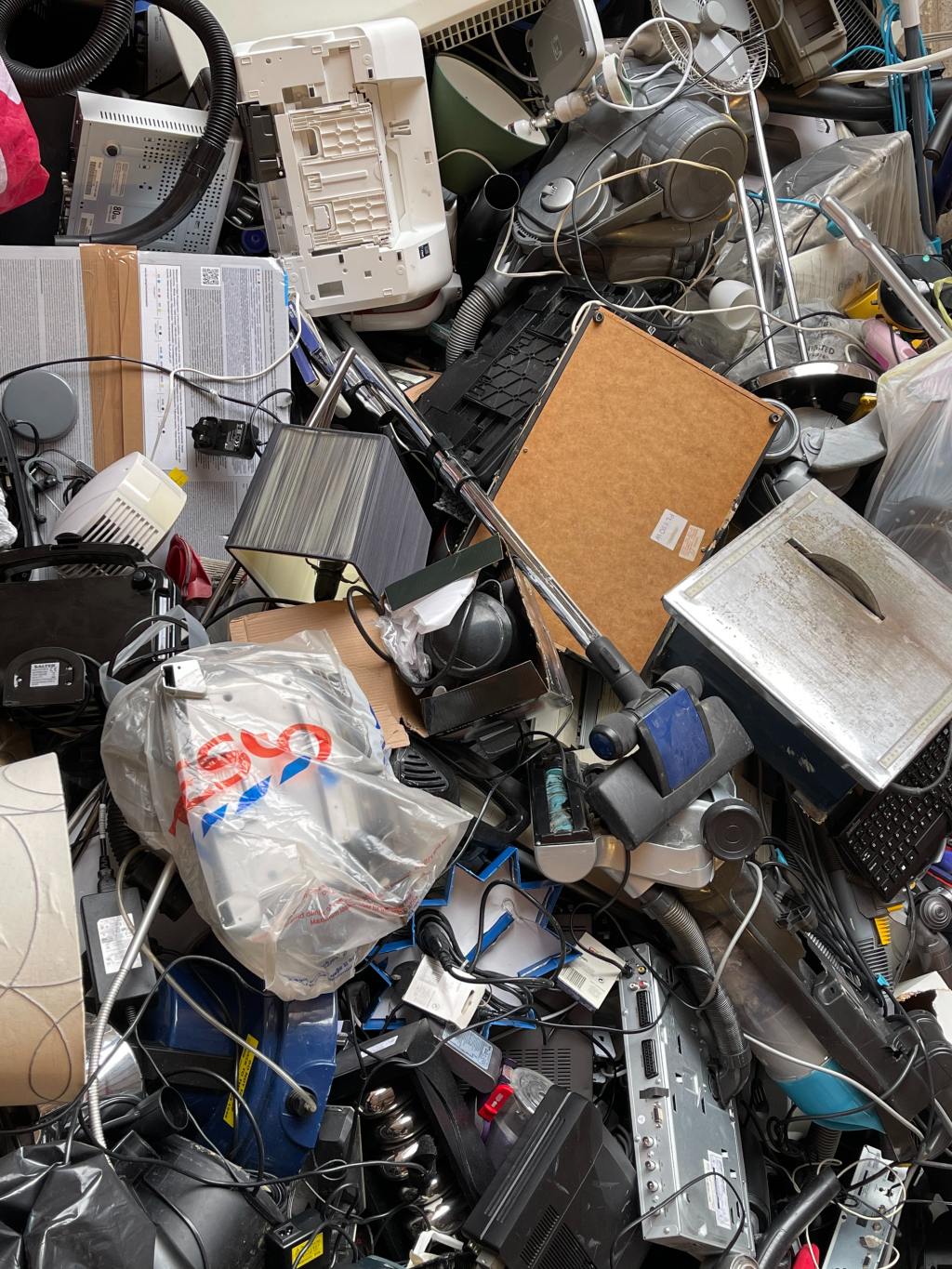
Photo by John Cameron on Unsplash