
From Already Free: Buddhism Meets Psychotherapy on the Path of Liberation by Bruce Tift:
Codependency is basically an agreement between two people to ritualize a balance between closeness and separation. It’s an unconscious effort to experience wholeness without having to take conscious ownership of what we don’t want to experience in ourselves. So we look for wholeness in the relationship rather than in ourselves. Each person wants connection, but at the same time, neither wants to feel too vulnerable. So we get close, but then we each protect ourselves from a direct experience of these vulnerabilities by blaming the other for our own internal disturbances. That’s the core of the problem: neither of us is taking responsibility for the never-resolvable tension within ourselves of having profoundly contradictory feelings about intimacy, and we’re projecting the cause of this tension onto our partners.
Loc 3365
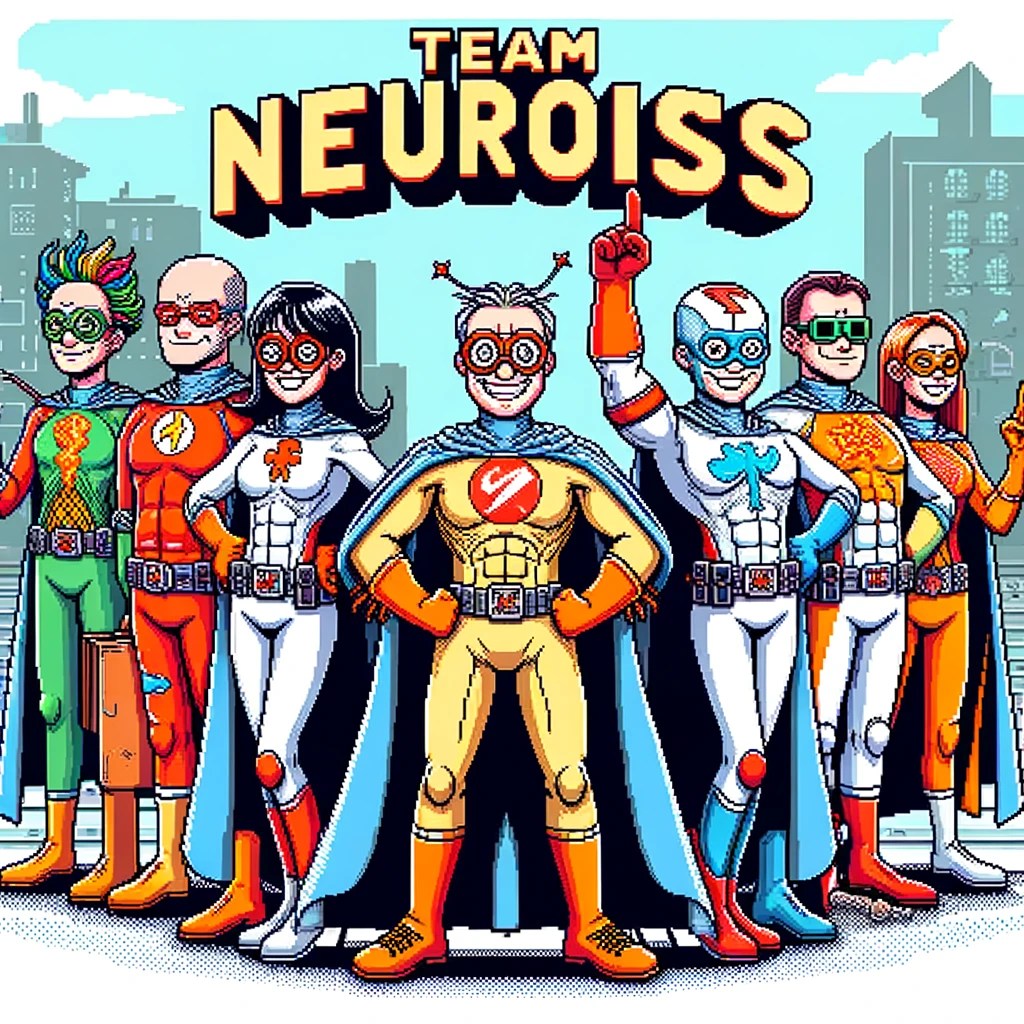
Without knowing it, each partner is actually using the relationship to serve a function—the same function that neurotic organization serves within the individual: to attempt to live a life without disturbance. We want to be close to somebody, and yet, at the same time, we don’t want to feel the vulnerabilities that being close to someone reveals. We want to feel fresh and alive while not having to feel powerless, sad, angry, or whatever a spontaneous engagement with life may invite. But of course, it doesn’t work in relationship any better than it works in our own private life. Once again, there’s a dissociative split; a pretending that operates on an unconscious level. We’re pretending that half of our experience is not here—it’s in the other person. It’s not who I am; it’s you. In this way, I like to think of codependency almost like “team neurosis.” It’s serving the same distractive function, but it’s a step more elaborate. We are once again removing ourselves from our immediate embodied experience, because that experience is actually disturbing. It’s disturbing to be alive. It’s especially disturbing to be alive in an intimate relationship.
Loc 3373
Codependent dynamics take this a step further. “Not only am I in my own personal state of never-to-be-resolved drama and struggle, but now I’ve involved somebody else—and that person has involved me. The apparent disturbance is not just inside me; it seems to be outside me as well, between myself and my partner.” And just like neurosis, our unconscious investment in the codependent dynamic is to make sure it never is “seen through.” If it were resolved, we would be threatened with having to be responsible for our own difficulties, our own emotional vulnerabilities.
Loc 3384
As long as we can point the finger at our partner and say, “You’re the cause of my grief, rage, disappointment, and abandonment,” our attention remains elsewhere. The more we behave, think, and feel as if our partner is the problem, the less likely we’ll be forced to see our own deeply contradictory feelings.
Loc 3388

