
I am much too alone in this world, yet not alone
    enough
to truly consecrate the hour.
I am much too small in this world, yet not small
    enough
to be to you just object and thing,
dark and smart.
I want my free will and want it accompanying
the path which leads to action;
and want during times that beg questions,
where something is up,
to be among those in the know,
or else be alone.

I want to mirror your image to its fullest perfection,
never be blind or too old
to uphold your weighty wavering reflection.
I want to unfold.
Nowhere I wish to stay crooked, bent;
for there I would be dishonest, untrue.
I want my conscience to be
true before you;
want to describe myself like a picture I observed
for a long time, one close up,
like a new word I learned and embraced,
like the everday jug,
like my mother's face,
like a ship that carried me along
through the deadliest storm.

- Rainer Maria Rilke
“I want to unfold” immediately reminded me of Rorty’s observation of “Our own half-articulate need to become a new person, one whom we as yet lack words to describe”. But whereas Rorty frames this in narrowly linguistic terms, caught between aspiration and inarticulacy, Rilke is sensitive to a far messier reality in which becoming who we are is constrained on all sides by things outside of our control, most of all the person we are who aspires to be something more.
The poem also reminds me of this reflection I wrote on the first USSStrike in 2018, poignantly so given how alienated and despondent this wave of strike action has left me feeling. There was a hope there that we can transcend the trap of our irreducible limitations (“too small in this world, yet not small enough to be to you just object and thing”) through what we do together. I need to remind myself of this given the unsettling inclination I have to withdraw from politics at the moment.
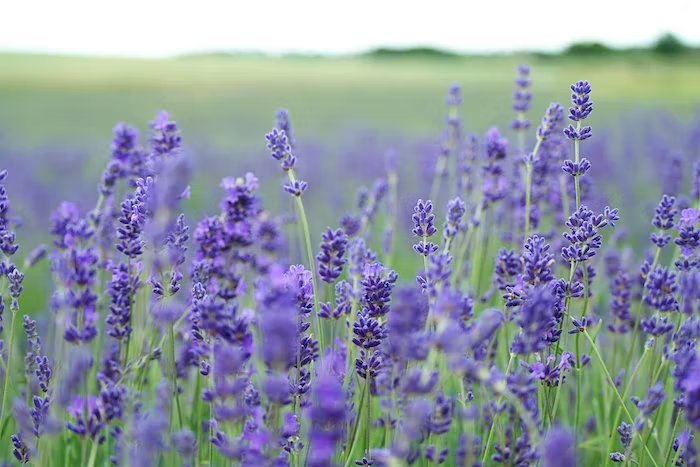
‘To unfold’ is rarely, I think, something we control. But the aspiration to unfold is part of our singularity, one element in how ‘the lavender stains our skin and makes us strange’:
There is in the world only one way, on which nobody can go, except you: where does it lead? Do not ask, go along with it.Nietzsche, Schopenhauer as Educator
 Mark Carrigan