
Raiding the inarticulate since 2010

accelerated academy acceleration agency AI Algorithmic Authoritarianism and Digital Repression archer Archive Archiving artificial intelligence automation Becoming Who We Are Between Post-Capitalism and Techno-Fascism big data blogging capitalism ChatGPT claude Cognitive Triage: Practice, Culture and Strategies Communicative Escalation and Cultural Abundance: How Do We Cope? Corporate Culture, Elites and Their Self-Understandings craft creativity critical realism data science Defensive Elites Digital Capitalism and Digital Social Science Digital Distraction, Personal Agency and The Reflexive Imperative Digital Elections, Party Politics and Diplomacy digital elites Digital Inequalities Digital Social Science Digital Sociology digital sociology Digital Universities elites Fragile Movements and Their Politics Cultures generative AI higher education Interested labour Lacan Listening LLMs margaret archer Organising personal morphogenesis Philosophy of Technology platform capitalism platforms Post-Democracy, Depoliticisation and Technocracy post-truth psychoanalysis public engagement public sociology publishing Reading realism reflexivity scholarship sexuality Shadow Mobilization, Astroturfing and Manipulation Social Media Social Media for Academics social media for academics social ontology social theory sociology technology The Content Ecosystem The Intensification of Work theory The Political Economy of Digital Capitalism The Technological History of Digital Capitalism Thinking trump twitter Uncategorized work writing zizek

Three books that shaped my work

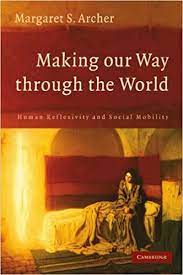
I’ve always been fascinated by the internal conversations we have with ourselves but until I read this book I didn’t realise this was something it was possible to study. I used this approach in my PhD to explore the internal conversations of students as they confronted the opportunities and challenges of undergraduate life. This is the lens through which I view digital technology as something which we are always thinking about or failing to think about.

I endlessly use the term ‘platform’ and this book is the reason why. It helped me understand that social media are not tools which we can pick up and put down but rather infrastructures which have been designed to shape our behaviour in particular ways. It provides a much wider perspective on social media that helps us be critical of these platforms while recognising that there are limits to their power to shape our behaviour.
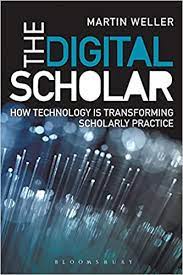
Over the last decade platforms have become routine features of teaching and research within universities. I was originally enthusiastic about social media in universities but I’m now concerned that there are unintended consequences which aren’t being addressed. I’ve approached these questions through the concept of digital scholarship I first encountered in this book. It’s a useful way of thinking about what exactly academics do and how the use of platforms is changing this.