
Raiding the inarticulate since 2010

accelerated academy acceleration agency AI Algorithmic Authoritarianism and Digital Repression archer Archive Archiving artificial intelligence automation Becoming Who We Are Between Post-Capitalism and Techno-Fascism big data blogging capitalism ChatGPT claude Cognitive Triage: Practice, Culture and Strategies Communicative Escalation and Cultural Abundance: How Do We Cope? Corporate Culture, Elites and Their Self-Understandings craft creativity critical realism data science Defensive Elites Digital Capitalism and Digital Social Science Digital Distraction, Personal Agency and The Reflexive Imperative Digital Elections, Party Politics and Diplomacy digital elites Digital Inequalities Digital Social Science Digital Sociology digital sociology Digital Universities elites Fragile Movements and Their Politics Cultures generative AI higher education Interested labour Lacan Listening LLMs margaret archer Organising personal morphogenesis Philosophy of Technology platform capitalism platforms populism Post-Democracy, Depoliticisation and Technocracy post-truth psychoanalysis public engagement public sociology publishing Reading realism reflexivity scholarship sexuality Shadow Mobilization, Astroturfing and Manipulation Social Media Social Media for Academics social media for academics social ontology social theory sociology technology The Content Ecosystem The Intensification of Work The Political Economy of Digital Capitalism The Technological History of Digital Capitalism Thinking trump twitter Uncategorized work writing zizek

The situational geography of everyday life

From Zizi Papacharissi’s A Private Sphere pg 68:

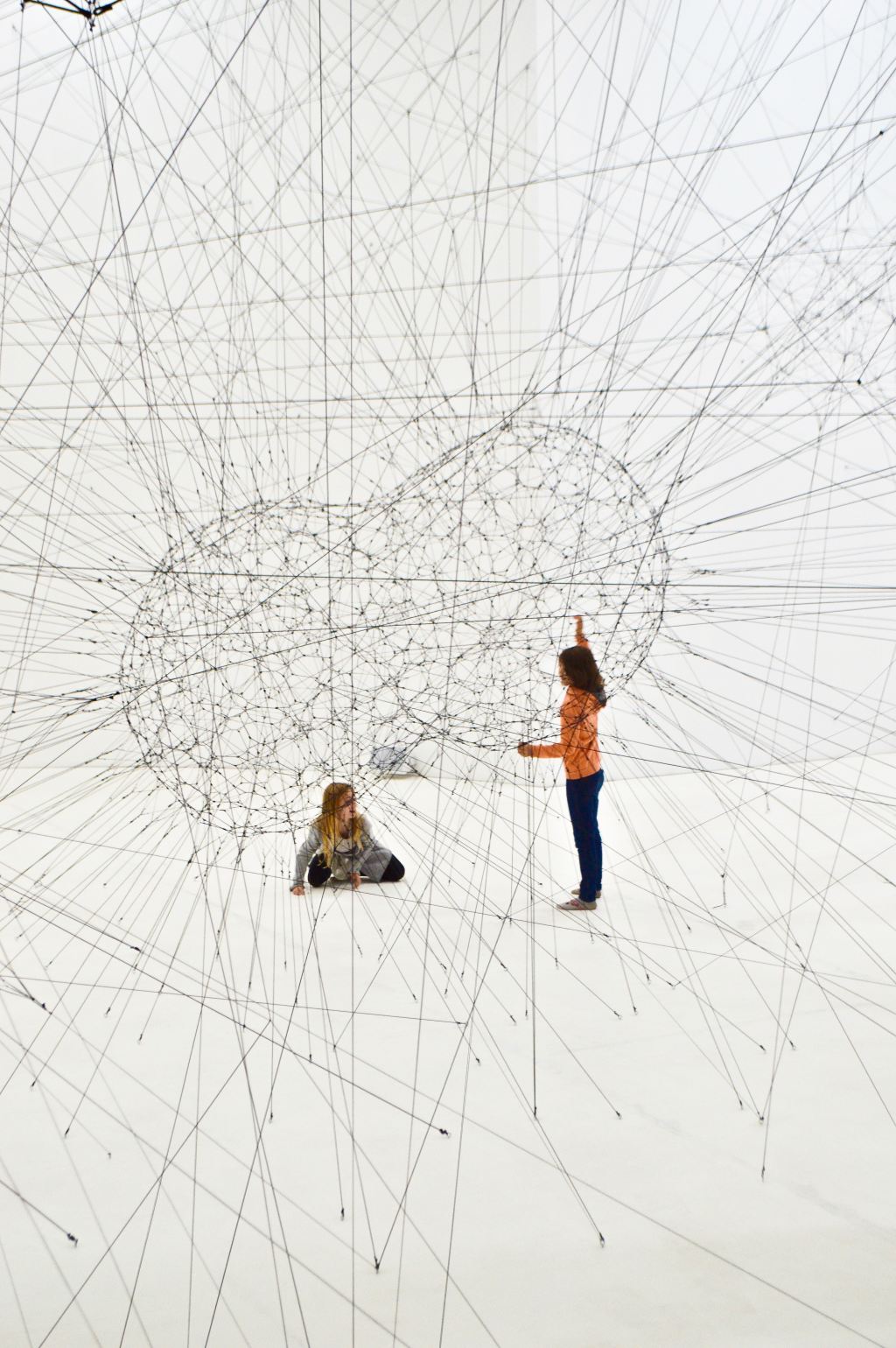
Meyrowitz (1986) described this as the ability of electronic media to remove, or at least rearrange, boundaries between public and private spaces, affecting our lives not so much through content, but rather “by changing the ‘situational geography’ of social life” (p. 6). In the seminal No Sense of Place, Meyrowitz (1986), likened this potential to the architectural effect that would be created were all walls physically separating rooms, houses, offices, buildings, and all concrete structures to be lifted. The result would combine several previously distinct situations, creating a paradox: an inharmonious continuum of several disconnected conversations, simultaneously aware of but potentially discordant with each other. This confluence of public and private boundaries exposes individuals to a variety of potential audiences, some intentional and several accidental. Still, because the norms of evaluating social behavior remain the same, individuals feel compelled to adjust their behavior so that it may be compatible with a variety of different situations and audiences.