
Raiding the inarticulate since 2010

accelerated academy acceleration agency AI Algorithmic Authoritarianism and Digital Repression archer Archive Archiving artificial intelligence automation Becoming Who We Are Between Post-Capitalism and Techno-Fascism big data blogging capitalism ChatGPT claude Cognitive Triage: Practice, Culture and Strategies Communicative Escalation and Cultural Abundance: How Do We Cope? Corporate Culture, Elites and Their Self-Understandings craft creativity critical realism data science Defensive Elites Digital Capitalism and Digital Social Science Digital Distraction, Personal Agency and The Reflexive Imperative Digital Elections, Party Politics and Diplomacy digital elites Digital Inequalities Digital Social Science Digital Sociology digital sociology Digital Universities elites Fragile Movements and Their Politics Cultures generative AI higher education Interested labour Lacan Listening LLMs margaret archer Organising personal morphogenesis Philosophy of Technology platform capitalism platforms Post-Democracy, Depoliticisation and Technocracy post-truth psychoanalysis public engagement public sociology publishing Reading realism reflexivity scholarship sexuality Shadow Mobilization, Astroturfing and Manipulation Social Media Social Media for Academics social media for academics social ontology social theory sociology technology The Content Ecosystem The Intensification of Work theory The Political Economy of Digital Capitalism The Technological History of Digital Capitalism Thinking trump twitter Uncategorized work writing zizek

The liquid powering liquid modernity

From John Urry’s Societies beyond Oil pg 9:

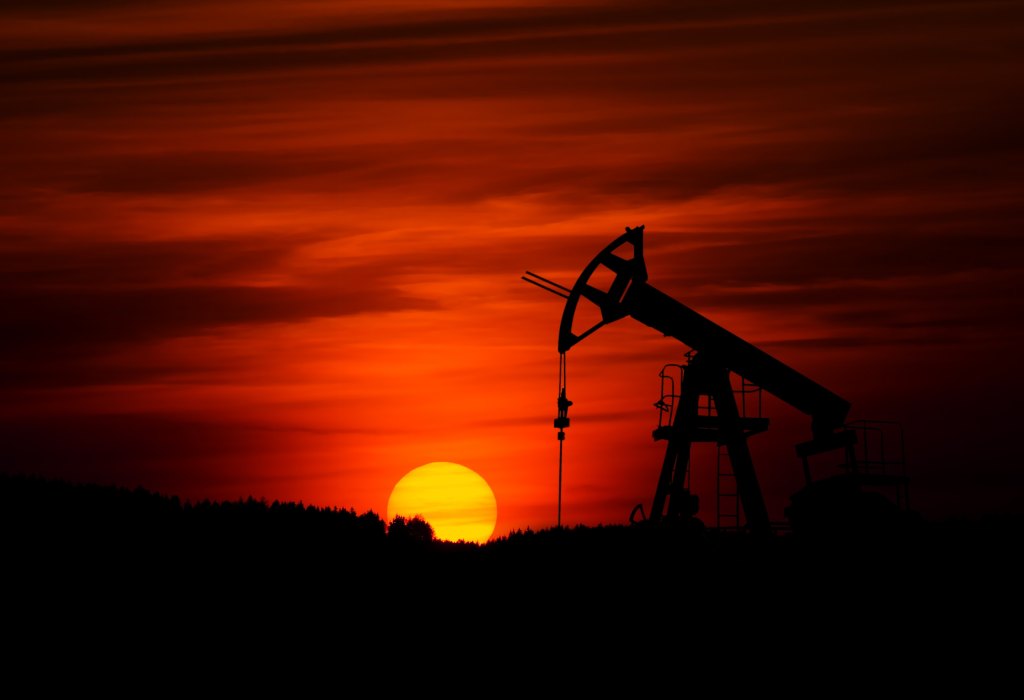
Leading social analyst Zygmunt Bauman famously described the twentieth-century development of all this movement as a ‘liquid modernity’. But what he did not examine was how there was in fact a literal liquid –oil –that made this modernity, oiling the wheels of a globalizing society. It seemed that the modern world had struck ‘black gold’. Its supplies of oil powered up societies in many novel ways and this high carbon pathway would move onwards and upwards, developing and reinforcing Western modernity as both ‘business as usual’ and as ‘natural’. Urbanist David Owen refers to this twentieth-century development as ‘liquid civilization’, a mobile civilization based on the very cheap liquid of oil and for which there are no significant alternatives.