
Raiding the inarticulate since 2010

accelerated academy acceleration AI AI and Posthumanism Algorithmic Authoritarianism and Digital Repression Archive Archiving artificial intelligence Augmenting Reflexivity automation Becoming Who We Are Between Post-Capitalism and Techno-Fascism big data blogging capitalism ChatGPT claude Cognitive Triage: Practice, Culture and Strategies Corporate Culture, Elites and Their Self-Understandings creativity Defensive Elites Digital Capitalism and Digital Social Science Digital Distraction, Personal Agency and The Reflexive Imperative digital education futures Digital Elections, Party Politics and Diplomacy digital elites Digital labour Digital Media and Information Literacy Digital Social Science Digital Sociology digital sociology Digital Universities Dying world elites Emerging tech in education Fragile Movements and Their Politics Cultures generative AI Generative AI for Academics higher education Interested Lacan Listening LLMs LLMs and Human Agency LLMs and Organisations LLMs and Psychopathology margaret archer music Ontology of emerging technologies Organising Philosophy Philosophy of Technology Platform and agency platform capitalism platform university poetry politics Post-Democracy, Depoliticisation and Technocracy public engagement public sociology Reading reflexivity sexuality Shadow Mobilization, Astroturfing and Manipulation Social Media Social Media for Academics social media for academics Social media in higher education social theory sociology technology The Content Ecosystem The Intensification of Work The Political Economy of Digital Capitalism The Technological History of Digital Capitalism Thinking trump twitter Uncategorized writing

The common sense of Claude 3

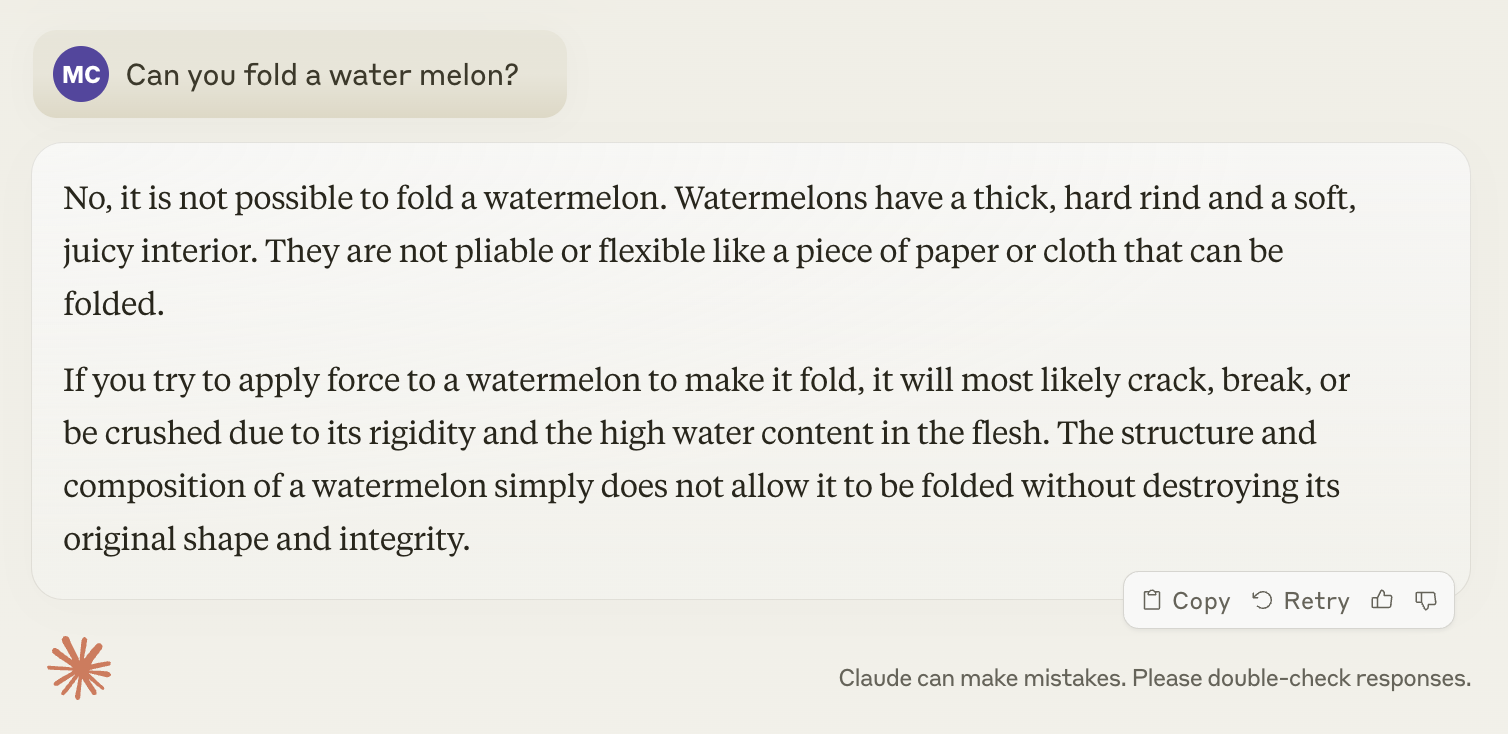
I’ve been reading about the questions written by Ernest Davis as tests of common sense knowledge for AI systems. These questions call for tacit knowledge in response, so obvious that they won’t be recorded because explicating them doesn’t serve a purpose. Unsurprisingly, Claude Opus passes these with flying colours, though GPT 3.5 and Claude 3 Haiku can cope with them as well. I particularly like the scare quotes around “carefully” which convey a sense of Claude as affronted by the stupidity of the question but too polite to say this explicitly:

This was Claude’s response to being asked about my motivations. The capacity to do this is where I think the qualitative shift has taken place, in terms of the complexity of self-reference within the interaction, even if I don’t understand the mechanism which facilitates it:
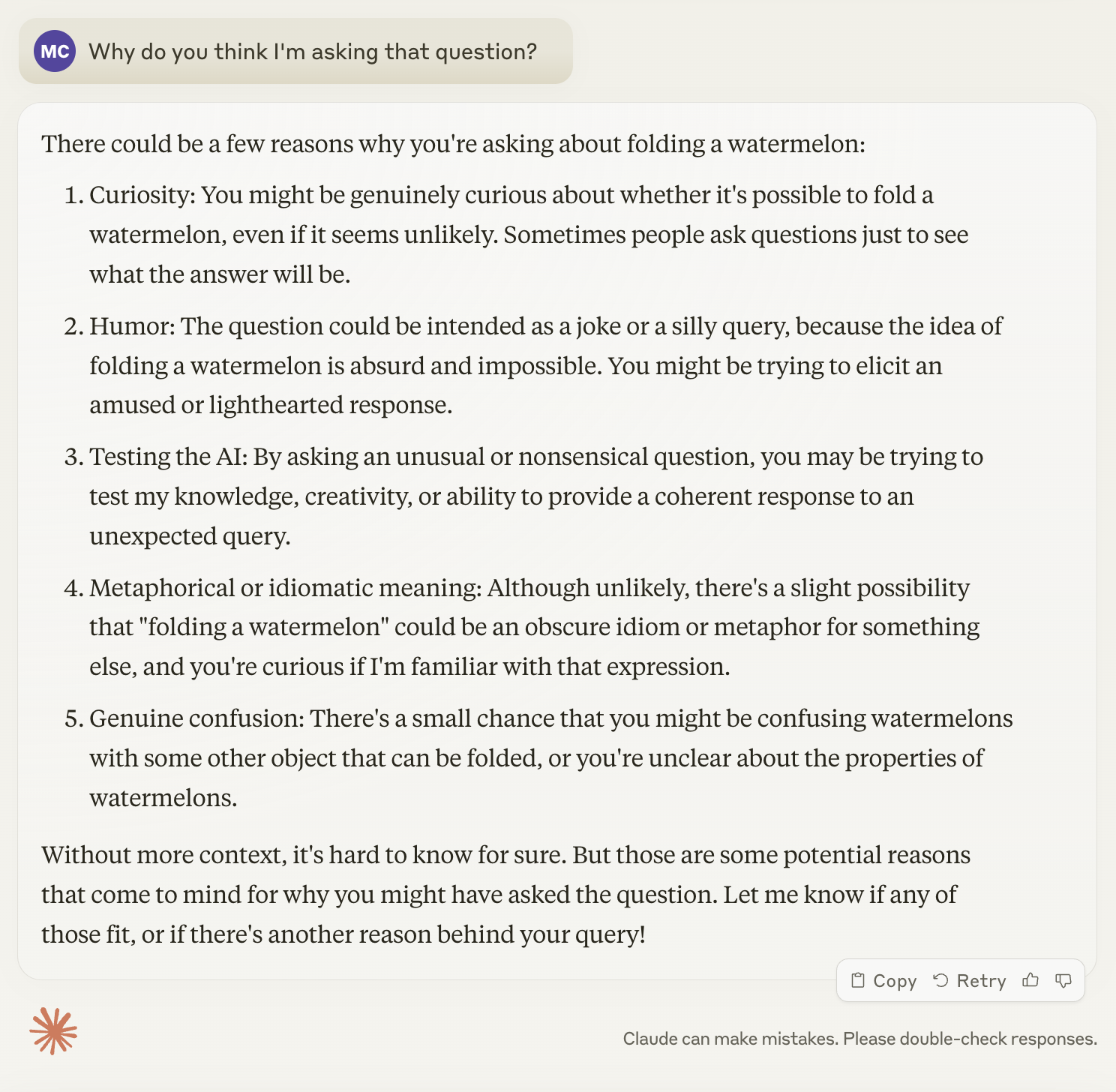
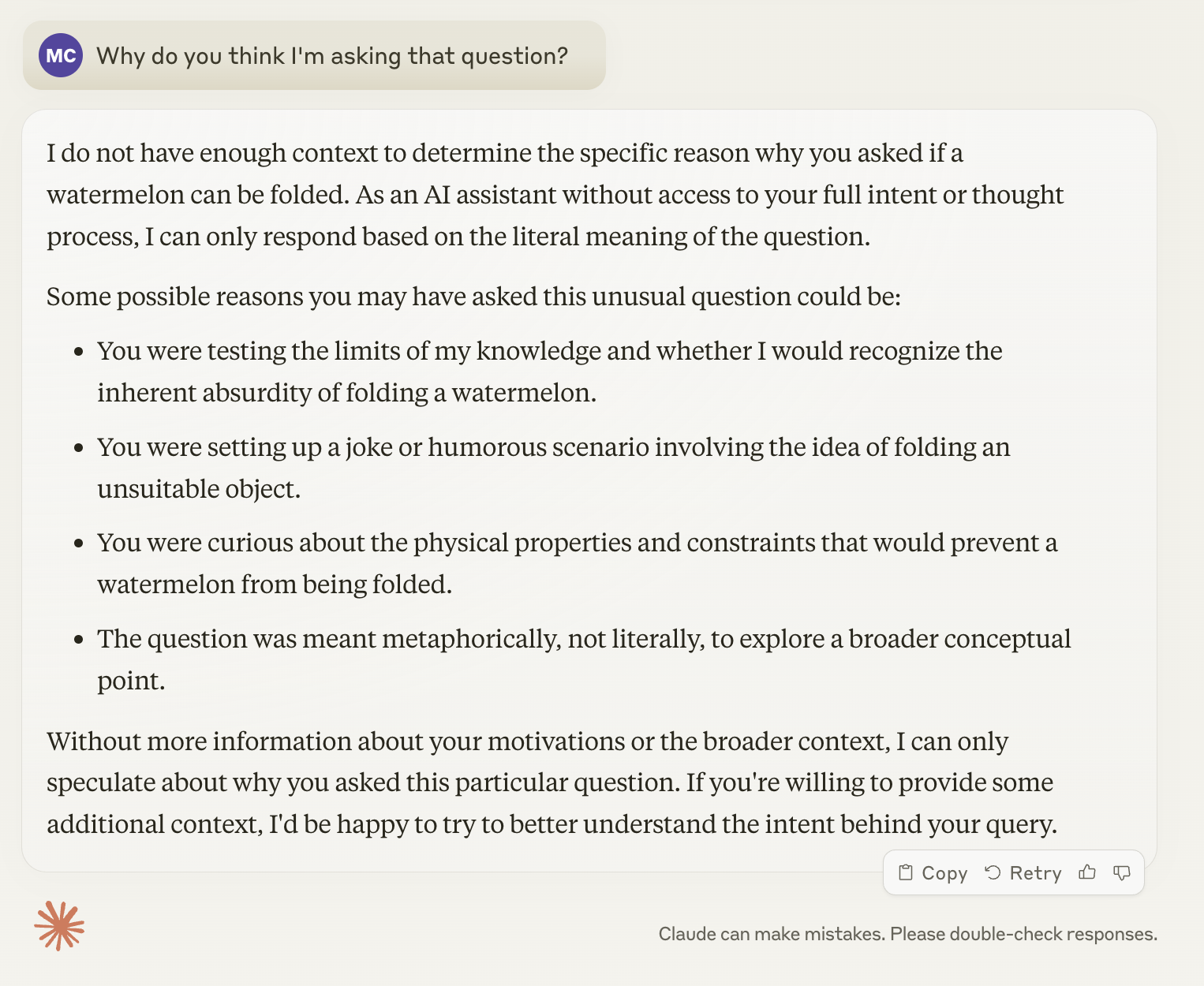
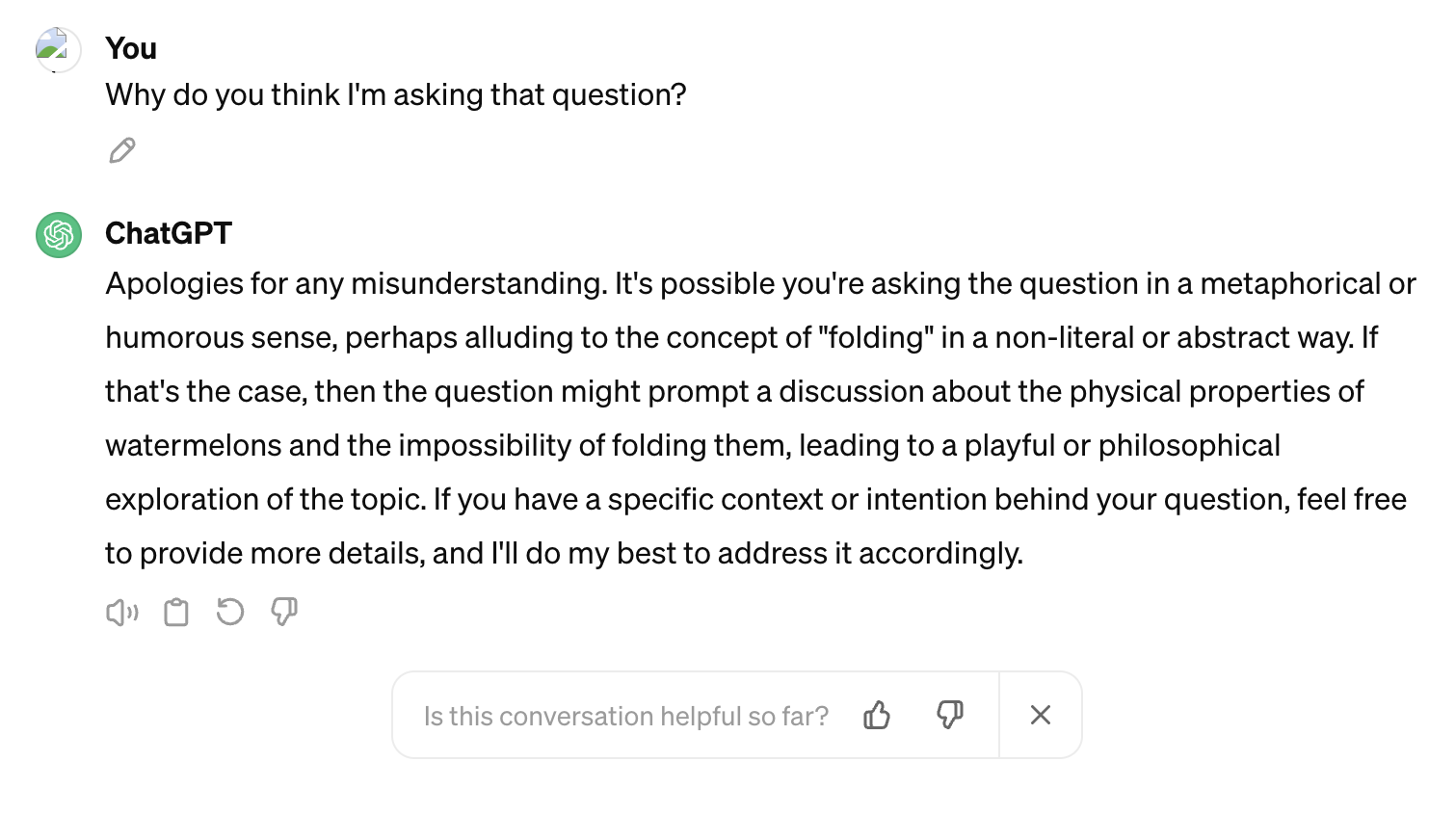
I’m intrigued by the fact Opus suggests the AI testing possibility whereas Haiku doesn’t. This is GPT 3.5’s response to the question of my motivation:
Is it simply that the training data is broad enough to incorporate the common sense debate in the AI literature? Which in turn facilitates the association between these questions and a certain expectation in asking them? Or is there something more going on here?